At our hospital in Bakersfield, we routinely operated above 98% occupancy.
Length of stay wasn't simply an efficiency metric. When beds weren't available, patients boarded in the ED, nurses cared for admitted patients alongside new emergencies, and first responders waited longer to complete patient handoffs.
We needed to create capacity without compromising quality.
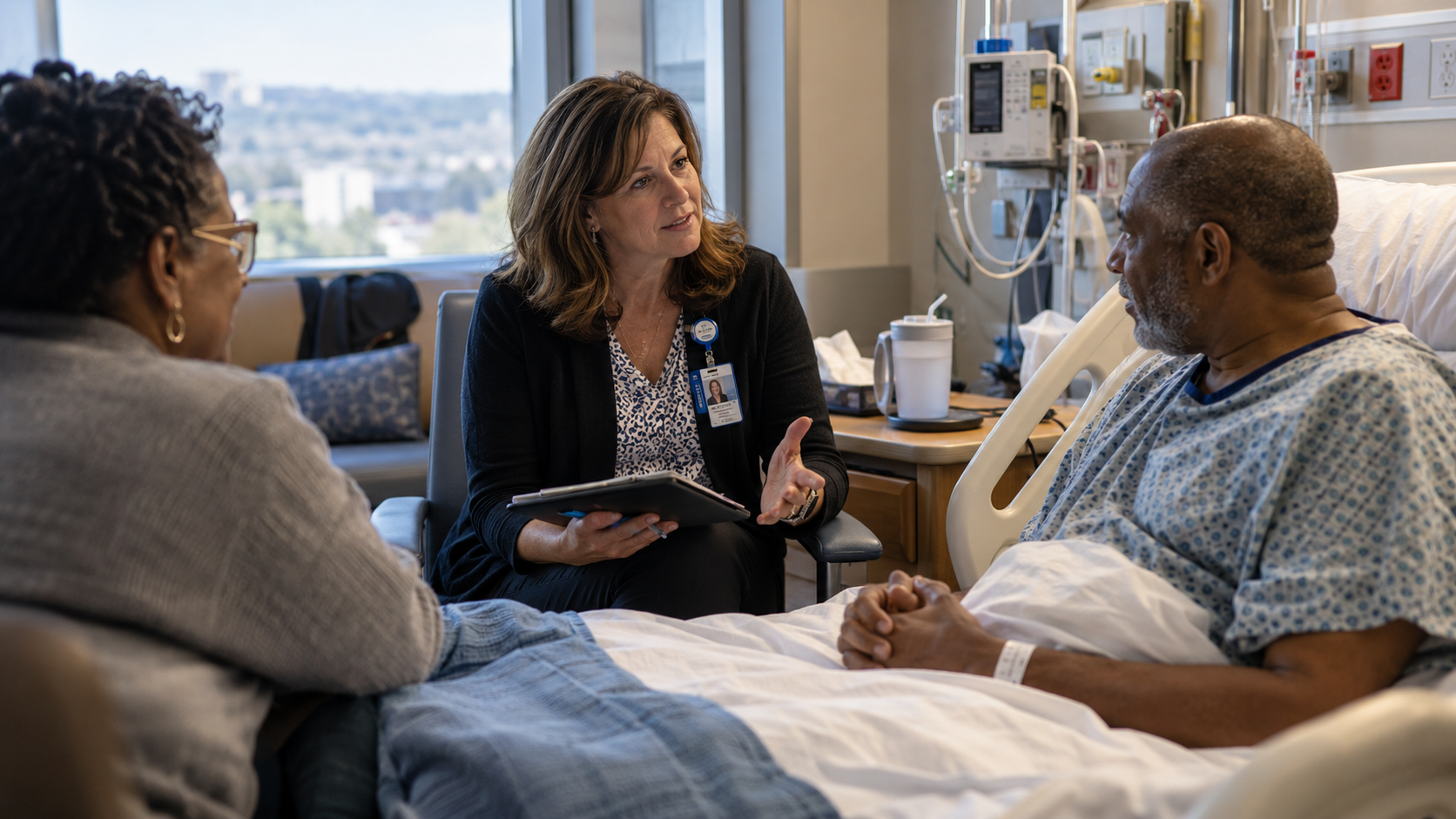
Despite significant cost pressure, we made a deliberate decision to spend more on case management, reducing caseloads from approximately 18 patients per case manager to 12. We paired that investment with focused work alongside our hospitalists, surgeons and other clinical leaders to improve care progression and remove barriers to discharge.
Average length of stay fell from 4.17 to 3.72 days, while we simultaneously achieved top-quartile performance in reducing readmissions.
The impact rippled through the organization. Better patient flow reduced ED boarding, improved ambulance handoffs, eased pressure on staff and physicians, and created badly needed capacity for additional patients. Improved throughput became part of a broader growth strategy that contributed to more than $45 million in net revenue growth.
Sometimes operating efficiency isn't about spending less. It's about understanding where to spend more.